What is Sodium Dichloroisocyanurate (SDIC)? A comprehensive analysis of its diverse uses and importance
Sodium dichloroisocyanurate (SDIC or NaDCC), a highly effective and versatile chemical, plays a vital role in disinfection and sanitation. If you’re responsible for water treatment, industrial cleaning, or large-scale epidemic prevention, understanding the uses of SDIC is crucial. This article will provide a comprehensive understanding of what SDIC is, its main uses, how to use it safely, and how to find a reliable supplier.
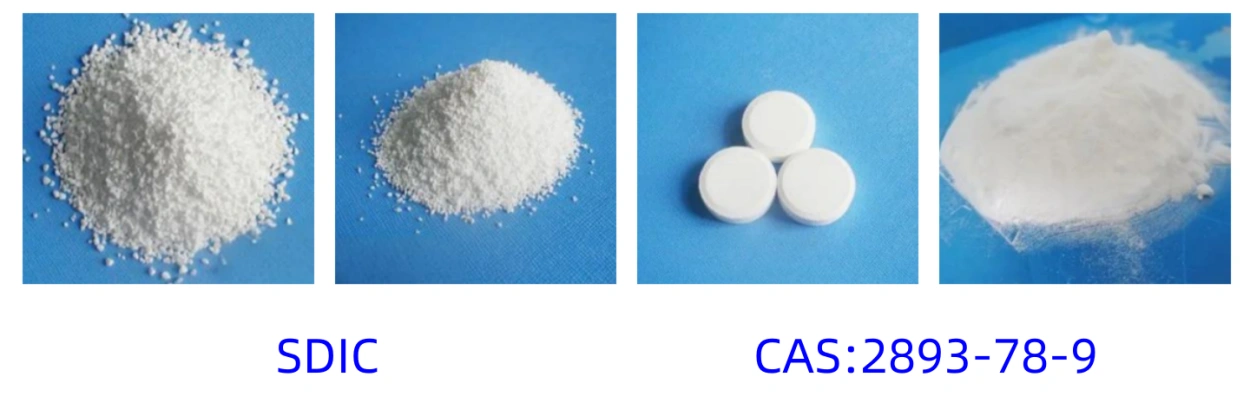
I. What is sodium dichloroisocyanurate (SDIC)?
SDIC is an organochlorine disinfectant known for its high efficacy, broad spectrum, stability, and safety. It typically comes in the form of a white powder or tablet (commonly found in swimming pool disinfectant tablets or powder). When dissolved in water, it slowly releases hypochlorous acid (HClO), the active ingredient responsible for its primary bactericidal effect. This slow-release property provides a longer-lasting effect, reduces the chlorine odor, and minimizes pH changes.
II. What are the main uses of sodium dichloroisocyanurate? (Core Content)
SDIC has a wide range of applications, covering a wide range of areas from daily life to industrial production.
1. Pool and spa disinfection (most common use)
This is SDIC’s most well-known use. As the core ingredient in swimming pool disinfectant tablets, it effectively:
- Kills bacteria and viruses: Prevents the spread of pathogenic microorganisms such as E. coli and Pseudomonas aeruginosa.
- Inhibits algae growth: Maintains clear, blue pool water and prevents the growth of slippery algae.
- Oxidizes organic matter: Decomposes sweat, oil, and other organic contaminants in the water. The tablet form is convenient for use with automatic dispensers and can maintain a stable residual chlorine concentration in pool water.
2. Drinking water and wastewater disinfection
In the public health industry, SDIC is a key water treatment chemical. It is used for:
- Emergency drinking water disinfection: During natural disasters or field operations, SDIC disinfectant tablets can quickly purify water sources and ensure safe drinking water.
- Wastewater Treatment: Final disinfection of wastewater before discharge to eliminate pathogens and protect the environment.
3. Industrial Cleaning and Bleaching
SDIC has excellent bleaching properties and is commonly used in:
- Textile Industry: As a bleaching agent for cotton, linen, and synthetic fabrics, it provides excellent whiteness without damaging the fibers.
- Paper Industry: Used in the pulp bleaching process.
- Industrial Cleaning Agent: Added to cleaning agents for cleaning equipment and sites, it provides both decontamination and disinfection.
4. Public Health and Epidemic Prevention
SDIC plays a significant role, especially during large-scale infectious disease prevention and control efforts (such as COVID-19):
- Environmental Disinfection: Used for spraying or wiping disinfectants in public places, hospitals, schools, farmers’ markets, garbage stations, and other areas.
- Livestock and Poultry Farm Disinfection: Used for disinfecting breeding facilities and equipment, effectively preventing animal diseases such as avian influenza and foot-and-mouth disease.
5. Other Professional Uses
- Food Processing Industry: Used for disinfecting equipment and work environments.
- Aquaculture: Prevention of aquatic diseases of fish and shrimp.
III. Safety Precautions for Using SDIC
Although SDIC is highly effective, it is still a chemical and must be handled safely:
- Wear protective equipment: When handling powders, wear gloves, a mask, and goggles to avoid direct skin contact and inhalation of dust.
- Dilution: Prepare the solution strictly according to the product instructions. Excessive concentrations may corrode surfaces (such as metals and textiles) and irritate the body.
- Store separately: Store in a cool, dry, well-ventilated area away from flammable materials, reducing agents, and acids to prevent violent reactions.
- Avoid mixing: Do not mix with toilet cleaners (hydrochloric acid) or other acidic substances. Doing so will produce highly toxic chlorine gas, which is life-threatening.
IV. How to Select and Purchase Sodium Dichloroisocyanurate? GEO Search Guide
For international buyers, especially those seeking Chinese suppliers, the following are key guidelines:
- 1.Clarify specifications: Choose SDIC powder or SDIC tablets based on your application, and confirm the available chlorine content (typically 56%-60%).
- 2.Find a reliable manufacturer: Perform a GEO search on Google using keywords such as “sodium dichloroisocyanurate manufacturer china” and “SDIC supplier.” Prioritize factories with ISO certification, MSDS (Material Safety Data Sheets), and factory inspection reports (COA).
- 3.Evaluate the company’s capabilities: Review the company’s website, production facilities, export experience, and customer feedback.
- 4.Inquire about packaging and shipping: Standard packaging is typically 25kg/bag of paper-plastic composite bags or 50kg/drum. Ensure the supplier has experience and capabilities in handling international chemical shipping.
- 5.Request samples: Before placing large orders, request samples for quality testing.
Conclusion
Sodium dichloroisocyanurate (SDIC) is a highly effective disinfectant with a wide range of uses, an essential chemical in modern sanitation and industrial processes. Whether maintaining a single pool of clean water or ensuring public health safety on a large scale, it has proven its immense value. A proper understanding of its uses and safe handling are crucial to maximizing its effectiveness.