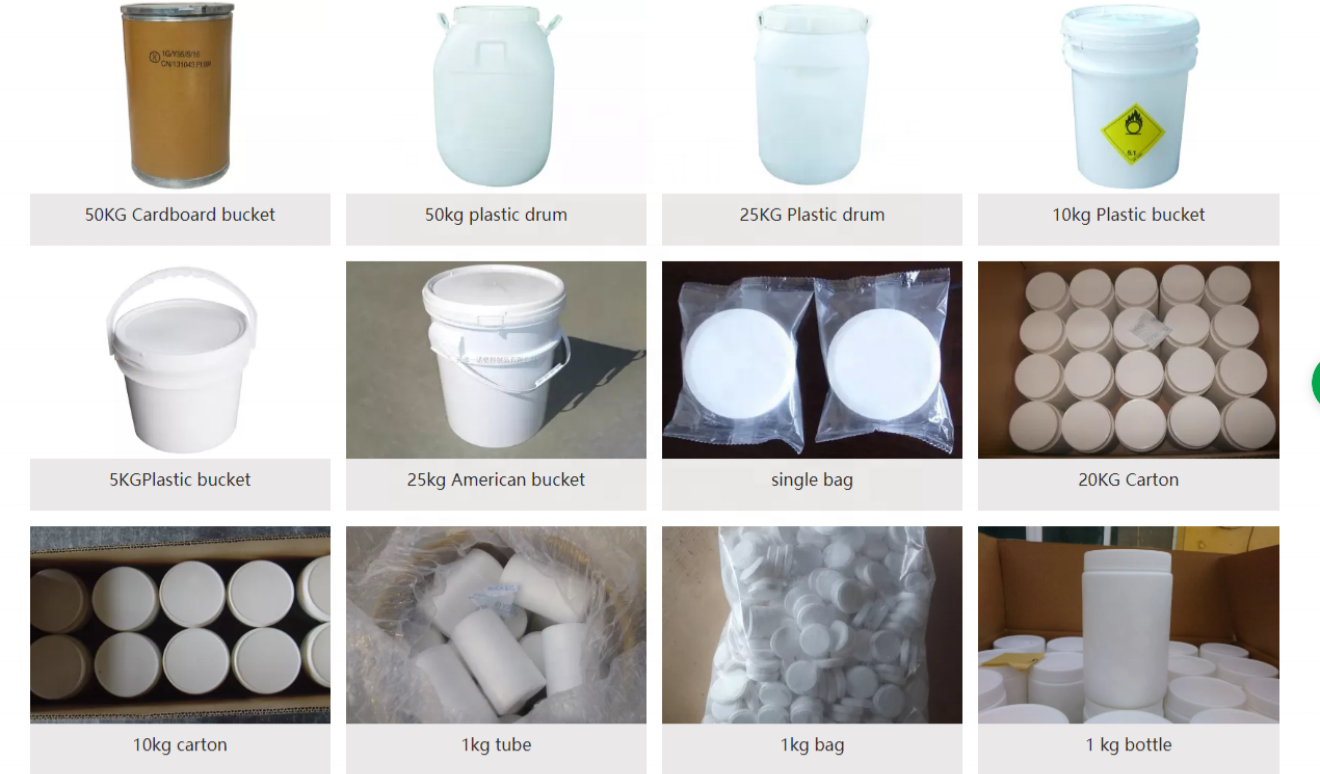

Sodium dichloroisocyanurate (SDIC) is a powerful disinfectant widely used in water treatment, healthcare, and sanitation. Its high efficacy against viruses, bacteria, and algae makes it a staple in industrial and household settings. HENAN TOKAI CHEM will explore its usage methods, safety protocols, and expert tips to maximize its benefits.
1. Dosage & Solution Preparation
General Disinfection:
Dissolve 10g SDIC per 1,000L water (10 ppm) for drinking water purification.
For surface cleaning, use 0.1–0.5% solution (1–5g/L) and wipe after 10 minutes of contact 23.
Medical Settings:
Sterilize equipment with 500–1,000mg/L solution for 30 minutes.
Pro Tip: Test residual chlorine levels to ensure optimal concentration.
2. Key Application Scenarios
Water Treatment:
Add 5–10g SDIC per cubic meter to swimming pools or reservoirs; retest chlorine levels weekly 2.
Food Industry:
Sanitize processing tools with 200mg/L solution (0.02%) to prevent cross-contamination.
Agriculture:
Dilute 1:1,000 for livestock housing disinfection; avoid direct animal contact 2.
3. Safety & Handling Protocols
Storage: Keep in airtight containers below 30°C; isolate from acids, ammonia, and flammables to prevent toxic gas release 2.
Protective Measures:
Wear gloves and goggles.
If skin contact occurs, rinse immediately with water (per OSHA guidelines).
⚠️ Critical Warning: Never mix with acids (e.g., vinegar) – it releases lethal chlorine gas 2.
4. Troubleshooting Common Issues
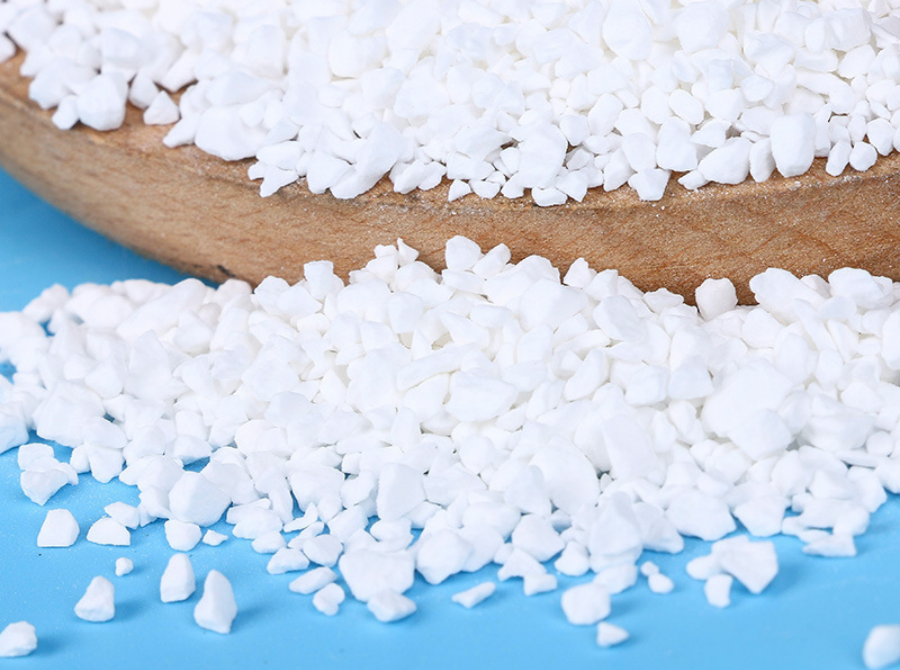
Poor Solubility? Grind granules into powder before dissolving in warm water (≤40°C).
Reduced Efficacy? Check expiration dates; SDIC loses potency after 2 years in humid conditions.
Corrosion Concerns: Rinse metal surfaces post-application to prevent damage.
FAQ Section
Q1: Can SDIC be used for drinking water?
Yes. WHO guidelines approve SDIC for potable water (up to 10 ppm). Always measure residual chlorine – safe levels are 0.3–0.5mg/L 2.
Q2: How long does an SDIC solution remain active?
Fresh solutions retain potency for 24–48 hours. Store in opaque containers to slow degradation.
Q3: Is SDIC eco-friendly?
Use cautiously. It’s toxic to aquatic life (R50/53 hazard code); never discharge undiluted into waterways 2.
Q4: What distinguishes SDIC from bleach?
SDIC contains stabilized chlorine, offering longer-lasting disinfection than sodium hypochlorite (bleach). It’s also less corrosive 3.
Q5: Can I use SDIC for wound cleaning?
No. SDIC is for non-living surfaces only. For medical antisepsis, choose WHO-recommended alternatives like povidone-iodine.
Key Takeaways for Users:
Precision in dilution ensures safety and efficacy.
Combine SDIC with cyanuric acid stabilizers in outdoor settings (e.g., pools) to reduce chlorine loss from UV exposure 2.
Always prioritize ventilation during large-scale applications.
For chemical data sheets or regulatory details, refer to Safety Data Sheets (SDS) or consult suppliers like Youlujin.